Why The Right Walk Matters - Advice From an Edinburgh Dog Walker

Updated: Jul 16
For a lot of owners, the daily walk is just another thing on the to-do list — get the lead on, round the block, home again. But for your dog, it can be so much more than that.
I've spent over ten years working hands-on with dogs of a variety of breeds and temperaments, and if there's one thing I've learned, it's this: a walk isn't just about tiring a dog out. Done well, it's one of the most powerful tools we have for a dog's physical health, emotional balance, and overall confidence.
Your Dog's Walk Is Not Just About The Exercise
Physical exercise matters, regular movement supports your dog's heart, lungs, joints, and weight. But if you've ever had a dog come home from a short walk still bouncing off the walls, you'll know that exercise alone often isn't the full picture.
Dogs also need to think. Working breeds especially were bred with a job in mind, to hunt, herd, retrieve, guard, and those instincts don't switch off just because they now live in a flat in Edinburgh. When a dog doesn't get an appropriate outlet for that drive, it tends to show up somewhere else: digging, barking, chasing joggers, or generally struggling to settle.
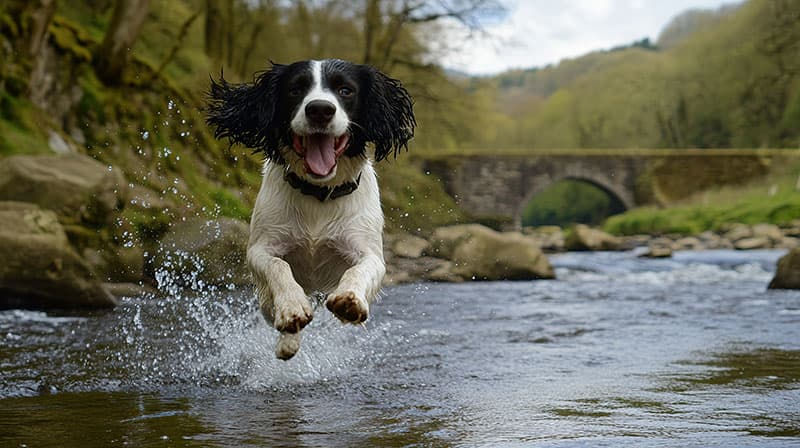
This is why on our Adventure Trails walks, I build in more than distance. Varied natural terrain, the freedom to properly sniff and explore, opportunities for appropriate play with familiar dogs, and space to just be a dog for a couple of hours, that's what actually leaves a dog settled and content, not just tired
Tiring Your Dog's Brain During Their Walk Matters
Mental stimulation can wear a dog out just as much as physical exercise, sometimes more. For a lot of working breeds especially, it's the thinking that really helps them settle at home afterwards, not just the miles covered.
There's a lot you can build into a walk beyond simply moving forward. Letting a dog search for treats or toys in long grass taps into natural foraging instincts and engages their sense of smell in a way that's genuinely calming, not just fun. Practising a recall or a "wait" out in the real world, with real distractions, teaches a dog far more than the same cue repeated in the living room. And letting them pick their way over logs, weave between trees, or navigate uneven ground builds coordination and confidence at the same time.
None of this needs to be complicated. But those small moments of problem-solving add up, they tire a dog out properly, and they help them tune into you even when the environment around them is full of distractions.
The Social Side Of Dog Walking Often Gets Overlooked
Some dogs genuinely thrive on the company of other dogs — the chance to play, communicate, and build confidence around familiar faces. Others are less overtly social, and that's fine too; simply moving through the world alongside a trusted human or companion still matters to them.
What I've found matters most isn't just whether a dog meets other dogs, but who they meet, and how often. Random, one-off encounters rarely build real confidence, but seeing the same familiar dogs, walk after walk, genuinely can.
Small Changes Make Real Differences
Nobody gets the perfect walk in every single day, and that's okay. But even small shifts , a bit more sniffing time, a change of scenery, the chance to properly switch off, can make a genuine difference to how a dog copes with everyday life.
If you're finding it hard to give your dog the kind of walk they really need, you're not alone, and it's worth thinking about what your dog might actually be missing, beyond just getting out the door.
Looking For A Dog Walker In Edinburgh? We Can Help
If you're looking for a dog walker in Edinburgh to help you give your dog the kind of walk they really need, I'm always happy to chat it through. Check out our dog walking services, or get in touch to find out more